
Blog
Finding the Best Fabrics for Shorts & Joggers
TLDR: For shorts and joggers, prioritizing breathability, comfort, and durability is key. Blends of cotton and polyester, such as cotton-fleece blends or performance knits,
 5.0 on Google · Trusted by 1,500+ Brands · Custom Clothing Manufacturer · Made in the USA

USA manufacturing, nationwide fulfillment and one account team, run out of a single Jacksonville facility.
Tell us your product, quantity and timeline. Custom quote back within 24 hours.

TLDR: The “best” fabric for hats depends entirely on the hat’s intended use, desired aesthetic, and wearer comfort. For durable, structured hats like baseball caps, cotton twill and polyester twill are top contenders. For breathability and performance, consider mesh or quick-dry nylon. For a premium feel, wool blends offer warmth and sophistication. Understanding material properties like GSM, weave, and finishes is key.
Many brands approach custom headwear with the same fundamental question: which material will best represent their brand while delivering comfort and durability for the people who wear it? With so many textile options available, the choice can quickly become confusing. Some fabrics look great in samples but lose shape after washing, trap heat during wear, or fail to support clean embroidery and printing.
Because hats are often part of branded apparel or custom merchandise collections, the fabric plays a major role in how the final product feels and performs over time. The right material helps maintain structure, hold color, and present logos clearly, ensuring every cap reflects the quality of the brand behind it.
This article cuts through the noise with insights from real manufacturing experience, helping you understand how different hat fabrics perform so you can choose materials that look great, wear comfortably, and support consistent results in production.
Understanding the core characteristics of different textiles is paramount when designing headwear. Factors like breathability, durability, and how a fabric interacts with dyes and finishes directly impact the final product’s quality and appeal. From the structured crown of a baseball cap to the soft drape of a beanie, each application demands a specific material profile.
When evaluating options for custom headwear, a hierarchy of performance, feel, and suitability emerges. Here, we rank the most effective fabrics, providing a clear path for brands seeking excellence.

Cotton twill stands as a cornerstone in hat manufacturing due to its excellent balance of durability, comfort, and versatility. Its defining feature is the diagonal ribbing pattern created by the weaving process, which results in a strong yet relatively soft fabric.
For custom apparel manufacturing, cotton twill’s dyeability is a significant advantage, allowing for vibrant and consistent color application. A common weight for caps is around 7-8 oz per square yard (GSM 200-240), providing a substantial feel without being overly heavy. This fabric holds its shape well, making it ideal for structured crowns, a critical component for classic baseball caps.
Polyester twill offers superior durability and wrinkle resistance compared to its cotton counterpart. This synthetic fabric is highly resistant to stretching and shrinking, ensuring hats maintain their shape and size over time. Its smooth surface also contributes to excellent colorfastness, meaning designs printed or embroidered on polyester twill will remain vibrant without fading.
While not as inherently breathable as natural fibers, modern polyester twills can be engineered for improved air permeability, especially when blended or combined with mesh. It’s a cost-effective option for high-volume production, providing longevity and a sharp aesthetic for promotional or team hats.
Wool blends, typically incorporating merino or other fine wools with synthetic fibers like polyester or acrylic, offer a premium feel and exceptional thermal regulation. These fabrics are naturally breathable, odor-resistant, and provide warmth without excessive bulk. The blend enhances durability and reduces the potential for shrinkage often associated with pure wool.
Wool blends lend themselves to more sophisticated hat styles, such as beanies, snapbacks with premium detailing, or even structured caps aiming for a heritage look. The brushed surface often found in these blends adds a luxurious, soft touch that consumers appreciate.
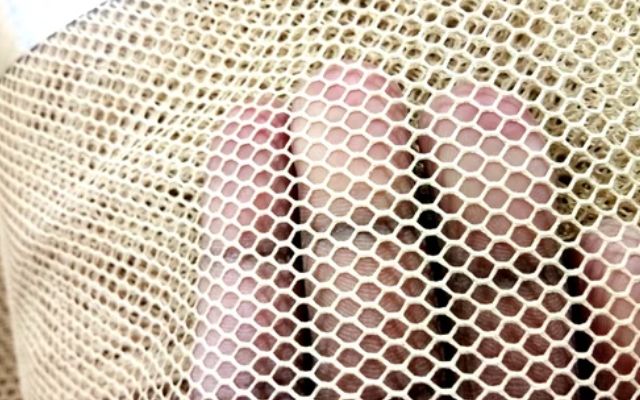
The defining characteristic of trucker mesh is its combination of a structured front panel (often cotton twill or polyester) and a breathable mesh back. This design is specifically engineered for ventilation, making it a favorite for warm-weather wear and active lifestyles.
The mesh panels, usually made from polyester or nylon, allow for significant air flow, preventing heat buildup. While the front panel provides a stable surface for branding, the mesh ensures comfort and moisture management. The lightweight nature of the mesh contributes to a relaxed fit and feel, differentiating it from more rigid hat constructions.
For performance-oriented headwear, quick-dry nylon is an outstanding choice. This synthetic fabric is exceptionally lightweight, durable, and possesses superior moisture-wicking properties. Its ability to repel water and dry rapidly makes it ideal for athletic caps, outdoor gear, and any application where sweat or moisture is a significant factor.
UV protection can also be integrated into the fabric weave or treatments, adding another layer of performance for sun-exposed activities. While it can sometimes have a slightly shinier appearance than cotton, its functional benefits, including stain resistance and durability, are often paramount.
You’re torn between cotton twill and polyester twill for your hat line? Each fabric offers unique advantages depending on your priorities. The table below highlights their key differences to help you decide which material best fits your brand’s vision.
| Feature | Cotton Twill | Polyester Twill |
|---|---|---|
| Feel & Comfort | Soft, natural hand-feel with breathable comfort ideal for everyday wear. | Smooth and structured feel; slightly less breathable but holds shape better. |
| Durability | Strong and long-lasting but can wrinkle and lose structure over time. | Highly durable, resists wrinkles and maintains structure through repeated use. |
| Moisture & Drying | Absorbs moisture and dries slowly, may feel damp during active wear. | Quick-drying and moisture-resistant, ideal for outdoor or performance hats. |
| Color Retention | Good color depth but may fade under prolonged sunlight. | Excellent colorfastness, resists fading and maintains vibrancy longer. |
| Ideal Use | Best for classic or casual hats with a soft, natural aesthetic. | Preferred for structured caps, uniforms, and activewear hats. |
| Cost & Maintenance | Slightly higher maintenance; may shrink or wrinkle after washing. | Low maintenance; affordable and easy to care for at scale. |
Beyond basic material types, specific textile properties dictate how a hat will perform and feel. These technical details are often overlooked but are critical for quality control and achieving the desired outcome in apparel manufacturing.
The weight of a fabric, often measured in grams per square meter (GSM), directly influences a hat’s structure and feel.
The weight impacts how the fabric drapes, how well it holds its shape, and its overall breathability.
The weave, the way threads are interlaced, significantly affects fabric strength and texture. Twill weaves, with their diagonal pattern, create a dense and durable fabric, as seen in cotton and polyester twill hats.
Canvas, another durable weave, is often even heavier and more rigid, lending itself to workwear-style caps. Satin weaves produce a smoother, shinier surface, while plain weaves are simpler and can offer good air permeability. For headwear, the weave dictates how the material will crease, how it handles embroidery, and its overall aesthetic appeal. A tight, durable weave ensures longevity.
Fabric finishes and treatments can dramatically enhance a hat’s performance. A brushed surface on cotton or wool blends provides a softer touch and a more premium feel. Anti-pilling treatments prevent the formation of unsightly balls of fiber on the fabric surface, extending the hat’s lifespan.
Water-repellent or stain-resistant finishes are invaluable for outdoor or activewear caps. Moisture-wicking sweatbands, often made from specialized polyester or blends, are crucial for comfort by drawing perspiration away from the skin. UV protection treatments safeguard the wearer from harmful sun rays, a vital consideration for any outdoor headwear.
With more than 13,000 hat styles (updated 2025), from breathable performance caps to eco-friendly beanies and premium suede cowboy hats – MFG Merch gives brands the freedom to create products that truly stand out. Every piece is customizable, from material to color and finishing detail, crafted by a hat manufacturer made in the USA with a deep understanding of quality and design. If you already have a vision for your next collection or need expert guidance to shape it, just share your ideas, we’ll turn them into hats your customers will love to wear.
For first-time hat brands, it’s best to start with versatile, easy-to-produce fabrics that balance structure, comfort, and printability. Cotton twill and brushed cotton are excellent starting points, they hold embroidery and patches well while offering a premium hand-feel that customers love. If you’re targeting active or outdoor wear, polyester or cotton-poly blends provide added durability, shape retention, and moisture resistance.
At MFG Merch, we guide new apparel brands through material selection and sample testing to ensure every hat aligns with your style, function, and market. Reach out to our team for tailored recommendations based on your design goals and budget. See our hat catalog here!
For a durable, structured baseball cap, cotton twill and polyester twill are your strongest contenders. Cotton twill offers a classic feel and good structure, while polyester twill provides enhanced wrinkle resistance and longevity. Both materials, when manufactured with a suitable interlining for the crown, will maintain their shape effectively. The weave of the fabric itself also plays a role; a tighter twill weave creates a more robust cap. From our experience at MFG Merch, these two remain the industry standard for a reason.
The choice between breathable and moisture-wicking fabric for active hats depends on the specific activity. If the primary concern is preventing heat buildup during high-intensity activities in warm conditions, a highly breathable fabric like a lightweight polyester or a mesh-backed hat is ideal for maximizing air circulation. If the activity involves significant sweating, even in cooler temperatures, a moisture-wicking fabric is crucial. These materials are engineered to pull sweat away from the skin and spread it across the fabric surface for faster evaporation, keeping the wearer drier and more comfortable. Quick-dry nylon and specialized polyester blends excel here.
Eco-friendly options for hats are growing. Recycled cotton and recycled polyester (often made from plastic bottles) are becoming increasingly popular and offer a significantly lower environmental impact than their virgin counterparts. Organic cotton, grown without synthetic pesticides or fertilizers, is another sustainable choice, though it can be more expensive. When considering sustainability, also look at the manufacturing processes, dye usage, and the overall lifespan of the product, as a durable hat that lasts longer is inherently more sustainable.
Fabric weight, measured in GSM (grams per square meter), has a direct impact on a hat’s fit and feel. Lighter fabrics (around 150-200 GSM) create a more relaxed, pliable hat that conforms easily to the head, often preferred for unlined beanies or casual caps. Mid-weight fabrics (200-250 GSM) offer a good balance, providing enough structure for a defined shape, such as in traditional baseball caps, without feeling too heavy. Heavier fabrics (250+ GSM) are best for hats requiring substantial structure and warmth, like workwear caps or winter beanies. The weight influences how the hat drapes, how it resists wind, and its overall thermal properties.
While most common hat fabrics can accommodate custom printing and embroidery, the results can vary significantly. Smooth, tightly woven fabrics like polyester twill or cotton twill provide the best surfaces for detailed logos and graphics, ensuring crisp lines and vibrant colors. Fabrics with a nap or a looser weave, like some brushed cottons or certain wool blends, may require adjustments to the printing or embroidery process to achieve optimal results. For example, very fine embroidery might get lost in a brushed surface, and screen printing on very textured fabrics can sometimes appear less sharp. It’s always recommended to consult with your manufacturing partner about the specific fabric and desired decoration method to ensure the best outcome.

TLDR: For shorts and joggers, prioritizing breathability, comfort, and durability is key. Blends of cotton and polyester, such as cotton-fleece blends or performance knits,

If your goal is to choose the best fabric for aprons, the decision cannot be based on appearance alone. In workwear, materials are exposed

TLDR: The best uniform fabrics combine durability, comfort, professional appearance, and easy care. For most uses, polyester-cotton blends, performance polyesters, and weaves like twill